Core Thesis:
Urban transportation demands smarter infrastructure utilization. MTSAi's Smart Mobility & Ridesharing framework supports governments in deploying occupancy-aware policies and incentive structures, encouraging more efficient use of roads and reducing congestion without relying on consumer ridesharing apps.
Current city corridors face increased pressure from single-occupancy vehicles. The framework is designed around a simple principle: "A car carrying three people is not three cars." This approach promotes occupancy-aware transportation behavior to optimise infrastructure use and ease congestion.

Unlike consumer ridesharing platforms, MTSAi provides government-controlled infrastructure designed to support occupancy participation and corridor efficiency. The system enables policymakers to configure incentives, occupancy conditions, congestion thresholds, and participation rules, all under public oversight, to encourage shared mobility and reduce peak pressure.
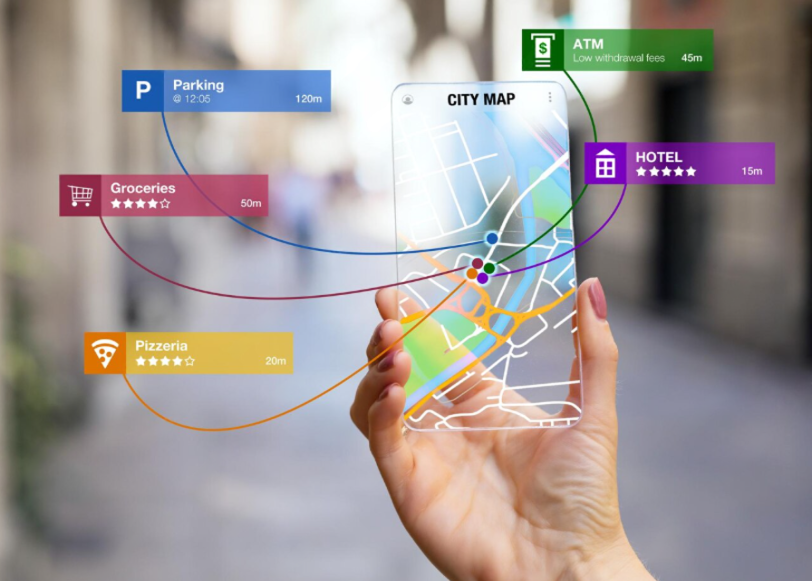
The RBCP framework is designed to incentivise occupancy-aware commuting by rewarding commuters for off-peak travel and carpooling. Policy adjustments are designed to be made through government administrative controls, without requiring vendor involvement. Configurable rewards aligned with occupancy and congestion conditions support more balanced and sustainable road use.
The platform is designed to provide occupancy-focused analytics, monitoring corridor occupancy levels, route pressure, and vehicle flow to support real- time, data-driven mobility coordination. This visibility is designed to help governments evaluate and optimise occupancy participation and network efficiency.
India already has the infrastructure this framework runs on. MTSAi is designed to work within existing FASTag networks, UPI payment systems, adaptive traffic infrastructure, and ICCC operations, without requiring replacement or parallel procurement. This interoperability ensures continuous, coordinated visibility into mobility operations without infrastructure replacement.
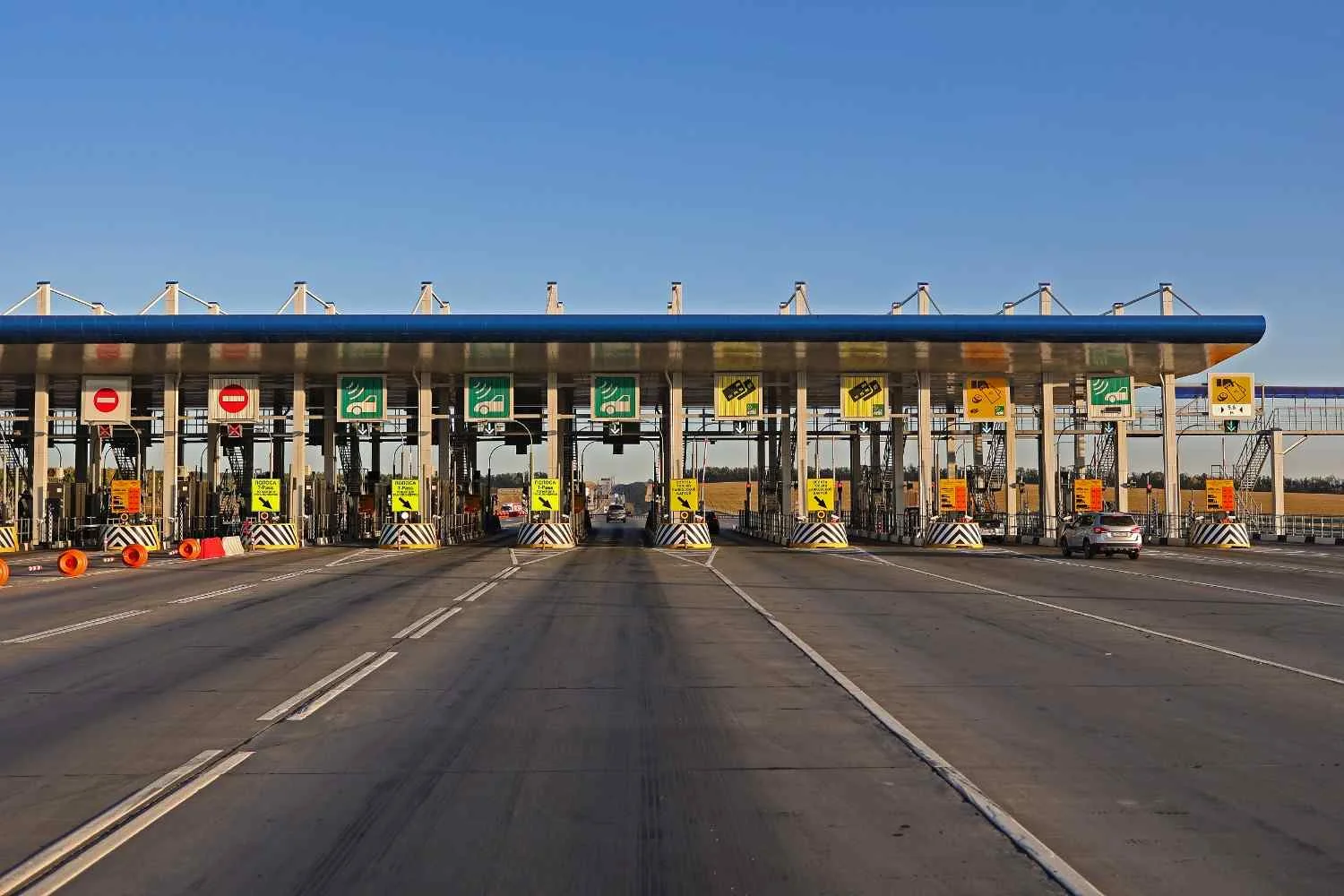

Every participation record, incentive transaction, and policy change made through the Smart Mobility framework is designed to be logged, attributed, and retrievable. MTSAi is designed to ensure that transportation policies and operational data remain under government control throughout deployment.
A city does not need to redesign its entire mobility system to evaluate whether occupancy-aware coordination can reduce pressure on a specific corridor. MTSAi is designed to start small, generate evidence, and scale only when the case for doing so is clear.


The commuter app is designed to be the city's own branded mobility touchpoint, published under the city authority's name and presented as a city government initiative rather than an MTSAi product.
The app is designed to allow eligible commuters to register for the programme, participate in city-approved reward structures, view their trip and reward history, and receive programme communications, all through a city-branded interface.
The commuter participates visibly and earns rewards. The city gets a congestion management tool with built-in public engagement. The government remains in control throughout."
The commuter app is designed to support these functions. Specific operational capabilities depend on deployment scope, city configuration, and implementation structure.
Indian roads are not going to get significantly wider in the next decade. The cities that manage congestion successfully will be those that find ways to move more people through the same infrastructure, not those that wait for more infrastructure to arrive.
MTSAi’s Smart Mobility framework is designed to help governments create the conditions for that shift, through occupancy-aware policy, incentives, and coordination tools that remain entirely under public authority.
All deployment pathways remain subject to procurement review, operational evaluation, infrastructure readiness, and government approval processes.
Explore how your city can deploy occupancy-aware mobility systems with tailored incentives. Contact us for a comprehensive overview of the platform, pilot opportunities, or a technical briefing.