Technology Platform
MTSAi provides a unified urban mobility platform designed for Indian cities, combining mobility demand modelling, operational analytics, corridor intelligence, & policy-controlled incentive infrastructure, & delivering that infrastructure to commuters through a city-branded mobile app.
The platform was built to address a problem that most urban mobility technology does not solve: how to give government authorities the infrastructure to coordinate congestion across expanding city networks, without transferring policy authority to a vendor.
Governments define the policy.
MTSAi provides the infrastructure.
Commuters engage through the city's own app.
Every rule, threshold, pricing parameter, corridor condition, and incentive structure is designed to remain configurable under government oversight. The commuter-facing layer is designed to be visible to the public as part of the city's initiative, not a vendor product.
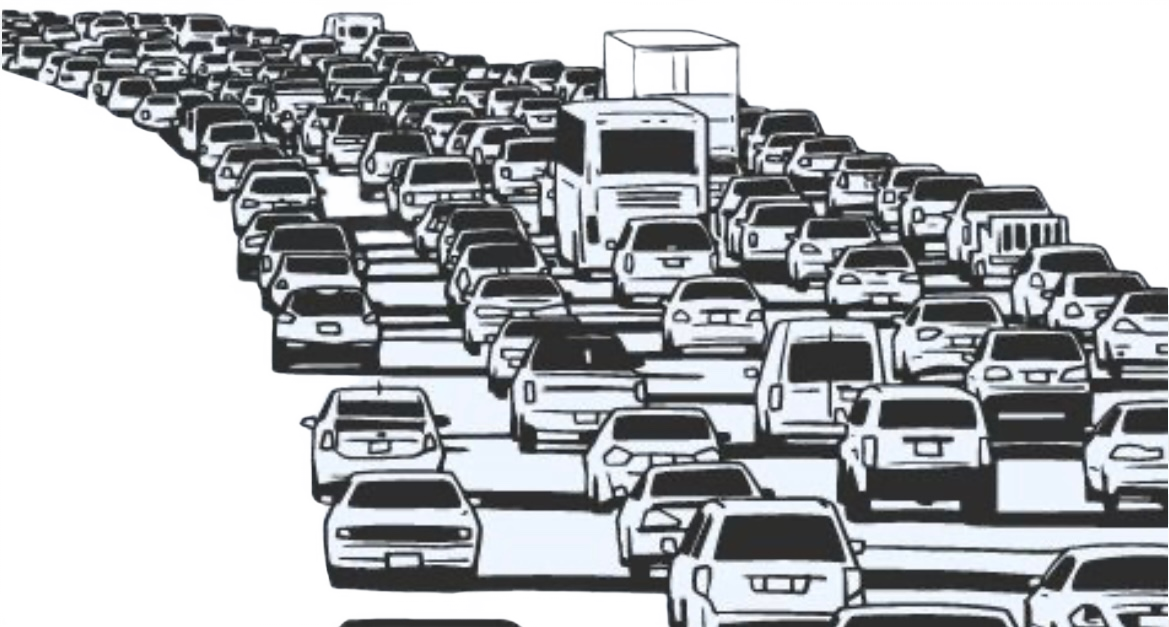
Most urban mobility platforms were built for operators. They are designed to optimise throughput, automate decisions, and reduce the friction of human oversight. That logic works in private logistics. It does not work in public infrastructure, where governments must retain accountability for how systems operate, how data is used, and how policies are applied.
MTSAi was built for governments, not operators. The architecture reflects that difference from the ground up.
Urban traffic systems operate across multiple independent networks simultaneously: road infrastructure, tolling systems, public transport corridors, emergency routes, signal infrastructure, payment systems, and command centres.
Most cities already possess portions of this infrastructure. The challenge is coordination.
MTSAi was built to address that coordination challenge through a platform architecture focused on traffic behaviour modelling, corridor-level analytics, and policy-governed mobility coordination, with a commuter-facing mobile app as the delivery mechanism for incentives.
The objective is not to replace existing systems. The objective is to help cities use what they already have more intelligently, and to make the behavioural change component of congestion management accessible to every commuter through a single, simple app.
The platform architecture is designed to support city-specific deployment structures while allowing governments to retain administrative and policy control over operational configurations.
mobility demand modelling
corridor monitoring
incentive orchestration
operational analytics
administrative governance controls
payment interoperability
traffic coordination workflows
commuter-facing mobile app delivery
Each deployment environment is designed so that policy updates can be made through government-controlled administrative systems without requiring vendor involvement. Authorities can revise thresholds, corridor rules, exemptions, operational timing windows, and incentive structures directly under government oversight.
MTSAi is designed to help governments evaluate substantial recurring revenue opportunities from congestion management while building public acceptance through incentives, rewards, recognition, and transparent citizen participation.
The mobile app is the commuter-facing layer of the platform architecture. For each city deployment, MTSAi is designed to deliver a white-label mobile app branded as the city's own product. The city's name, logo, and public messaging appear throughout the application. MTSAi is acknowledged only within the app's About section as "Powered by MTSAi."
This architecture is designed to support commuter trust and adoption by presenting the programme as a city government initiative rather than a vendor-branded product. From a commuter's perspective, they are engaging with their city's mobility programme.
The app is designed to be delivered as a city-specific deployment with its own branding, language configuration, and app store presence, published under the city authority's own developer accounts.
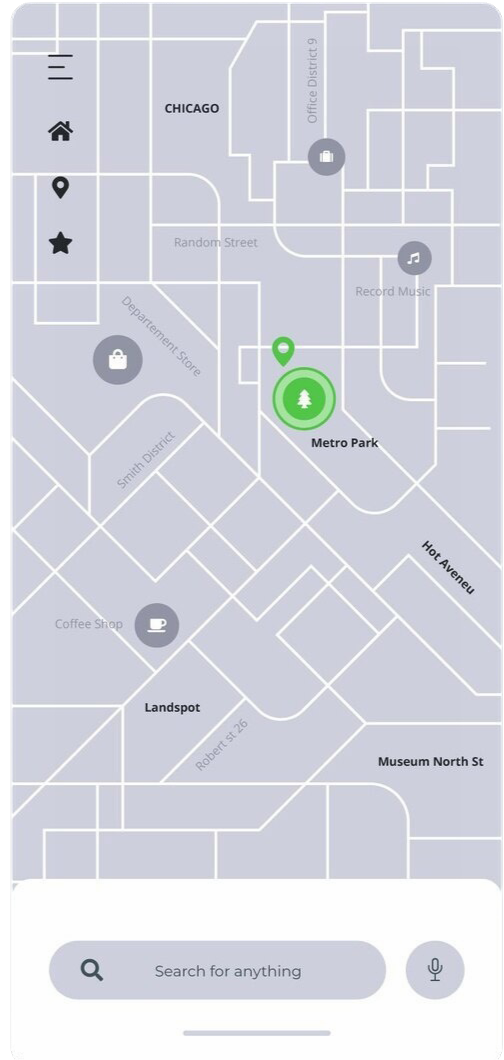
Traffic behaviour across urban corridors changes continuously throughout the day based on road usage, occupancy behaviour, incident conditions, weather variation, event density, public transport demand, and commuter routing decisions.
MTSAi's modelling layer is designed to analyse these operational patterns to support better corridor coordination and congestion response planning.
peak-period demand analysis
traffic flow pattern identification
occupancy-aware corridor evaluation
congestion trend analysis
route pressure monitoring
event-based mobility assessment
The intention is to support policy evaluation and operational planning through data- informed decision support rather than static rule systems alone.
Government authorities responsible for urban mobility need more than data. They need operational visibility that is directly accessible, institutionally controlled, and accountable to the procuring authority. MTSAi is designed to support that requirement through government-controlled monitoring environments, not vendor- mediated dashboards.
corridor activity monitoring
signal coordination visibility
congestion heatmapping
mobility trend analytics
operational event tracking
incident escalation workflows
administrative reporting systems
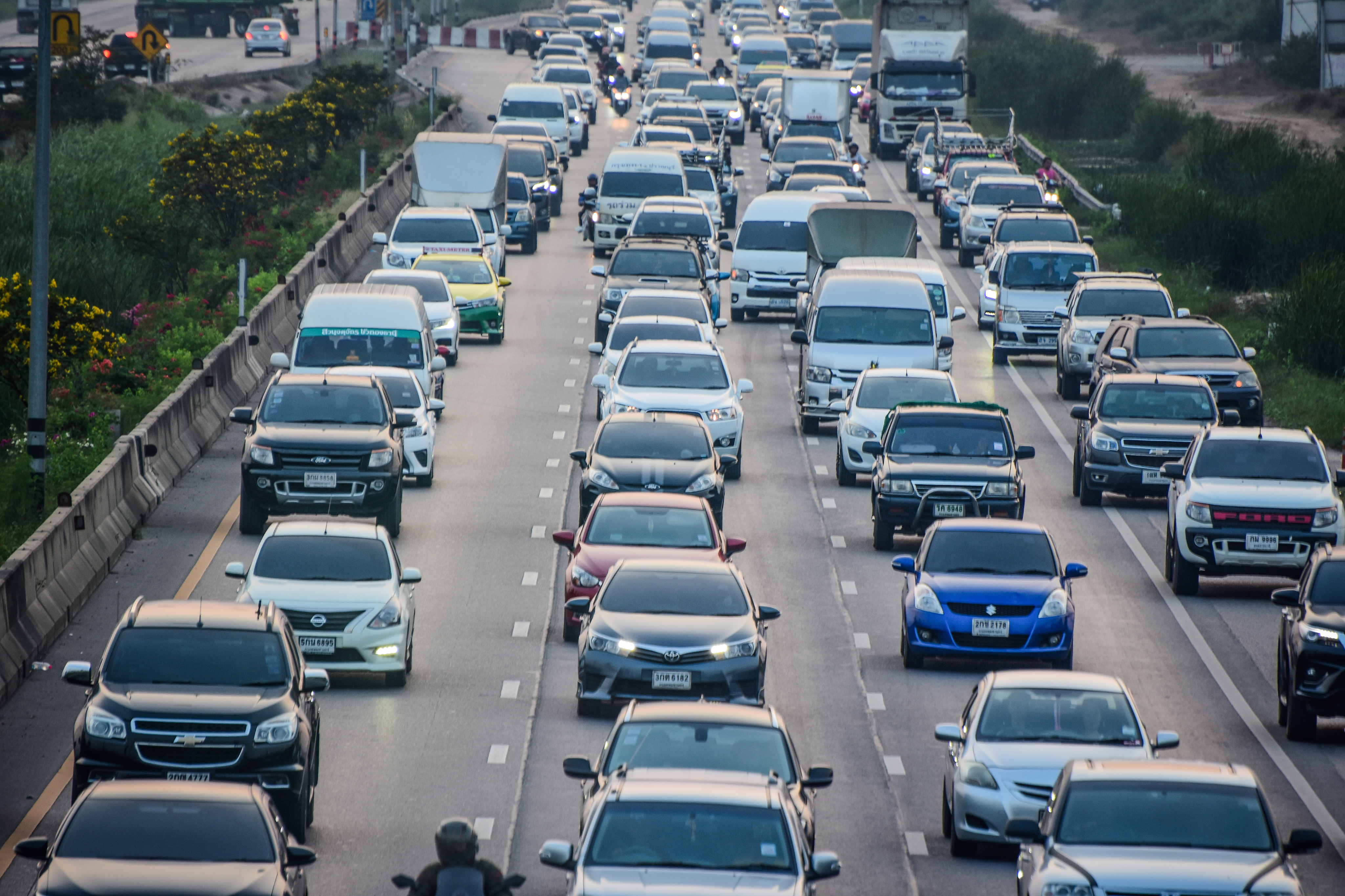
The platform is designed to provide operational insights in real time through the government-controlled operations console based on deployment architecture and infrastructure availability.
No live city deployments are claimed unless explicitly documented through published implementation records.
A platform that requires cities to replace or rebuild existing infrastructure before evaluation can begin will not survive a procurement committee. MTSAi is designed to be interoperable with the systems that Indian city governments have already built, procured, and operate.
Adaptive traffic signals, ANPR systems, corridor sensors, tollling infrastructure, and command centre environments.
UPI-linked incentive distribution systems and FASTag-compatible operational environments. The commuter app is designed to collect and validate UPI Virtual Payment Addresses (VPAs) during registration, enabling direct reward disbursement to commuters' linked bank accounts.
Integrated Command and Control Centres (ICCCs), transport dashboards, reporting environments, and administrative review systems.
Emergency mobility routing environments and operational escalation systems. The integration architecture and deployment structure depend on the scope of government implementation and technical evaluation requirements.
The policy engine is designed so that governments retain control over operational logic throughout deployment, evaluation, and implementation.
corridor thresholds
occupancy conditions
congestion triggers
incentive structures
operational timing windows
exemption categories
reporting parameters

This separation between platform infrastructure and policy authority is a deliberate design principle. It allows governments to adapt operational policies over time without restructuring the underlying system architecture.
It also means that when governments change, policy frameworks can be revised through administrative controls rather than vendor renegotiation. The infrastructure continues. The policy evolves under whoever holds the authority to change it.
The commuter app is designed to make participation in the RBCP programme accessible without requiring new hardware, manual check-ins, or significant changes to existing commuter behaviour.
Commuters are designed to be able to register for the programme, add their vehicle details and payment information, and begin participating in city-approved reward structures. The app is designed to support automated eligibility workflows, reward tracking, dispute submission, and city-approved payment settlement pathways.
When a government authority procures a mobility platform, it assumes accountability for how operational data is collected, stored, accessed, and used. That accountability cannot be delegated to a vendor. MTSAi is designed so that it does not have to be.
The platform is designed with an India-hosted deployment posture and a privacy-first architectural framework intended to support public-sector governance environments. Operational data is designed to remain under government control according to deployment scope, procurement agreements, and implementation structure.
GIGW 3.0 guidance
DPDP compliance pathways
CERT-In aligned security practices
government audit requirements
administrative logging standards
The commuter application is designed with a privacy-by-design posture. The platform does not perform continuous GPS tracking and does not collect biometric data. Commuter identities are not correlated across different city deployments.
Compliance alignment depends on deployment scope, procurement structure, and implementation configuration.
The question a procurement committee needs answered is not whether a platform can scale in theory. It is whether a city can begin evaluation without committing to full deployment. MTSAi was designed to make that possible.
Indian cities operate with significantly different infrastructure conditions, mobility densities, transport behaviours, and administrative structures. A single deployment template cannot serve all of them. MTSAi was therefore designed as a modular platform, not a fixed operational model.
corridor-scale pilots
city-level deployments
phased infrastructure expansion
multi-agency operational coordination
future interoperability requirements
The white-label app model extends this modularity to the commuter layer. Each city receives its own app, published under its own brand and developer account, with its own language configuration and corridor-specific content. No city's commuter data is accessible to any other city deployment.
This allows governments to evaluate deployment pathways progressively rather than committing to city-wide operational expansion from the outset.
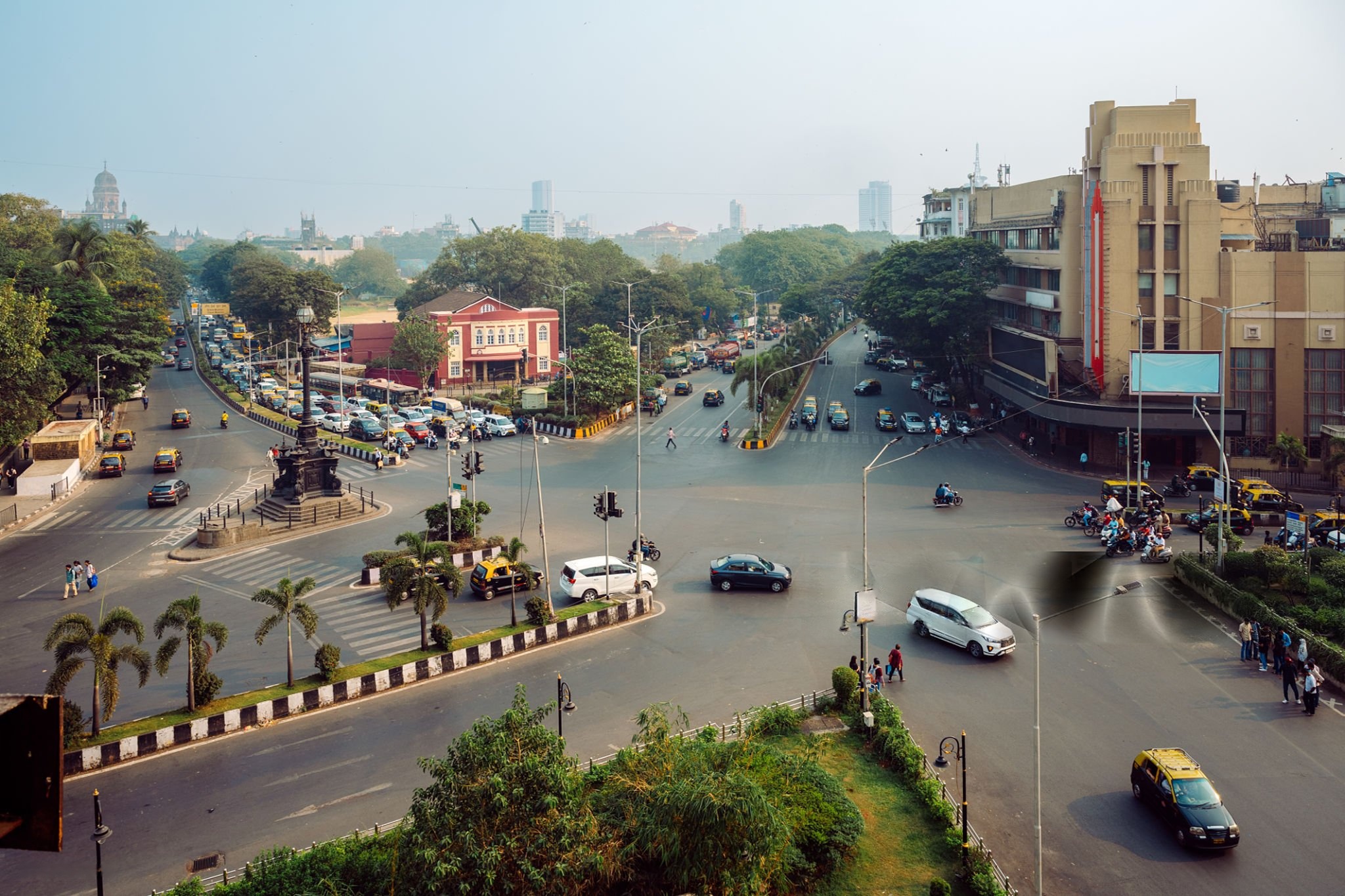
Urban mobility systems are not products. They are public infrastructure decisions with consequences for how efficiently cities move, how quickly emergency services respond, and whether the political conditions for congestion management survive long enough to deliver results.
MTSAi was built to address the conditions that make those decisions harder than they should be: infrastructure that does not coordinate, pricing tools that generate public resistance, and platforms that keep policy authority with the vendor rather than the procuring government.
The commuter application is the mechanism through which those conditions are addressed at the level of individual behaviour. A commuter downloads the city's app, registers their vehicle, and begins earning rewards automatically for off-peak travel or carpooling. No check-in required. No new hardware needed. Rewards credited directly to their bank account through city-approved payment pathways. The platform makes the political sustainability argument concrete.
The platform is designed for government authorities that need infrastructure they can evaluate before committing, operate without vendor dependency, and adapt as policy requirements change.
Evidence before claims. Pilots before promises. Government control before vendor convenience.
MTSAi works with government authorities, transport agencies, infrastructure evaluators, and senior public-sector stakeholders involved in planning, procuring, or assessing urban mobility infrastructure.
If you are at any stage of that process, including early feasibility, technical assessment, or procurement preparation, we would like to understand what you are working on.
A platform architecture overview relevant to your city's infrastructure environment
A government technology briefing for senior officials and evaluation committees
An integration pathway assessment against your current systems and procurement scope
A deployment evaluation framework to support your internal appraisal process
A technical consultation to address specific questions before or during procurement
Conversations are confidential. No commitment is required to begin.